Companion Animals
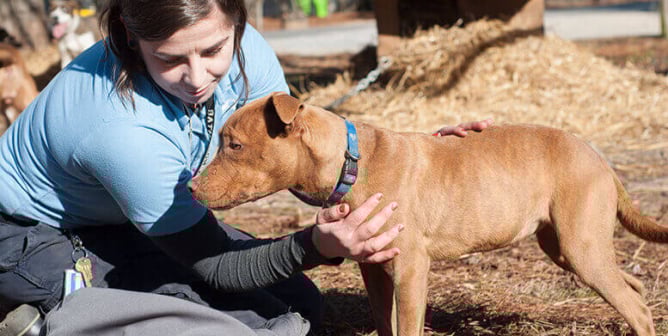
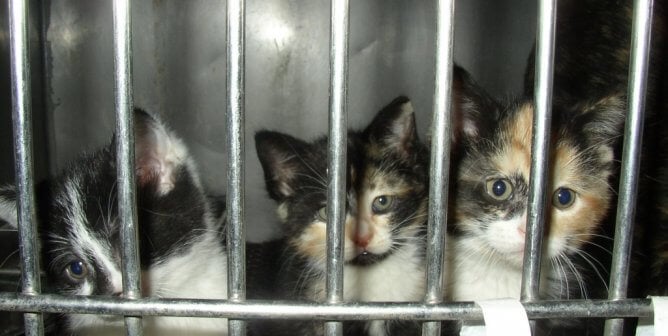
For every lucky dog or cat who has a comfortable home and a devoted human guardian, countless others are struggling to survive on the streets. Many are suffering at the hands of incompetent, destitute, overwhelmed, negligent, or abusive people or are waiting in animal shelters for a good home.
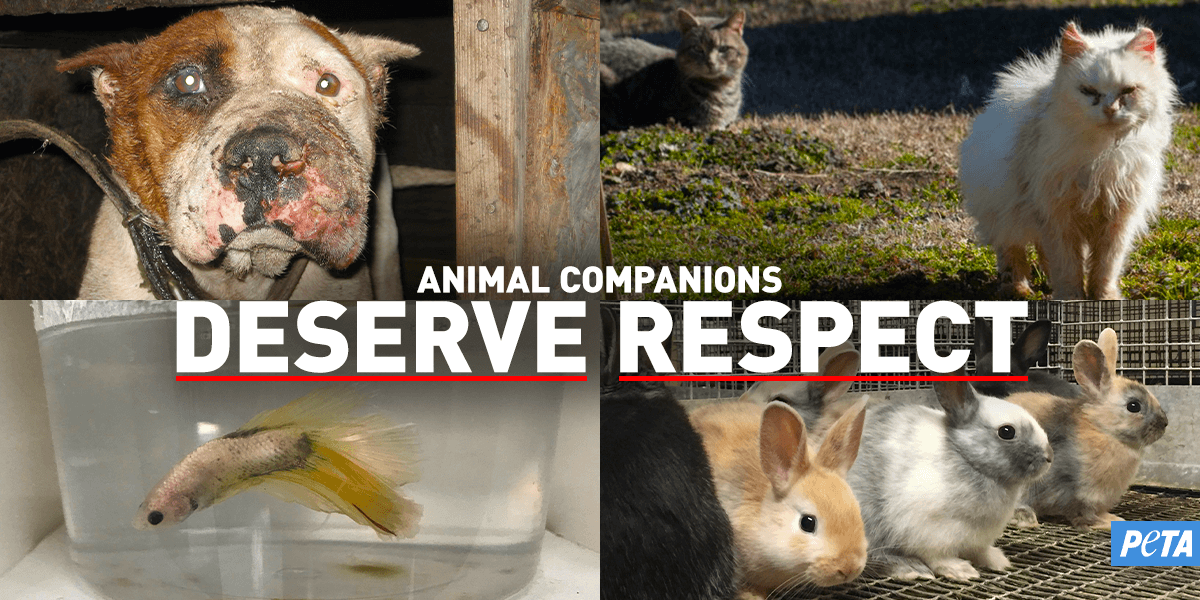
Many dogs are kept on heavy chains and forced to live outdoors through all weather extremes, while others suffer and die in twisted dogfighting rings. Left to roam unsupervised by their guardians or turned away from so-called “no-kill” shelters, “outdoor cats” have been poisoned, shot, set on fire, or trapped and drowned by cruel people. Feral cats can also be hit by cars or maimed by fan blades when they crawl under car hoods or into warm engine bays on winter days. Other cats are subjected to painful and traumatic mutilations in declawing surgeries.
Birds locked inside cages become neurotic from constant stress. Fish and other small animals sold as “starter pets” are often neglected by well-meaning people who simply don’t know how to care for them properly. Hoarders compulsively collect animals and keep them trapped in hellish, filthy conditions.
PETA is a worldwide leader in working to help these animals and all other sentient beings suffering as a result of speciesism: the misguided belief that certain animals are worthy of care and compassion while others aren’t, all based on arbitrary human preferences.
How PETA Helps Dogs, Cats, Rabbits, and Other Animal Companions
PETA and our millions of members and supporters around the world know that our animal companions are members of the family—they’re unique, feeling individuals with their own personalities, wants, and needs. That’s why we take a multifaceted approach to helping animals frequently victimized by the “pet trade,” working behind the scenes with companies and law enforcement to make the world a better place for animals every day.
Our hard-hitting campaigns and eye-opening investigations reach tens of millions of people annually, revealing how dogs, cats, rabbits, birds, fish, and other animal companions need the help and support of compassionate and caring humans like you. For decades, PETA’s ads, articles, and bold protests have opened people’s eyes to the horrors that animals endure in puppy mills, pet stores, and squalid backyard conditions—and the public can’t help but take notice.
PETA spends millions to stop the animal-homelessness crisis at its roots. As of 2019, our fleet of mobile clinics has sterilized nearly 175,000 animals—including thousands of feral cats and pit bulls—often at little to no cost to human guardians. This has helped prevent hundreds of thousands of animals from being born into a world already bursting at the seams with unwanted and homeless ones.
Our fieldworkers provide indigent people in underserved communities with hands-on help. Many of them don’t have reliable transportation or funds to seek veterinary care for their animal companions. Every year, we help keep countless animals out of overburdened shelters by providing free sterilizations, shots, and counseling to help people work through perceived obstacles to keeping their animals. PETA has delivered thousands of sturdy doghouses and bales of straw to help make winter a little less hellish for dogs kept outdoors.
For decades, PETA’s caseworkers have aided countless animals across the country who’ve urgently needed help, during all hours of the day. We never turn our back on animals who need help, even if the best we can offer them is a peaceful release from an uncaring world.
Why Are There So Many Unwanted and Homeless Animals?
The animal-overpopulation crisis persists because people still buy animals from breeders or pet stores (thereby supporting the kitten and puppy mills that supply them) instead of adopting homeless animals. Many people don’t spay or neuter their dogs and cats, who then reproduce, creating enormous numbers of kittens and puppies. And people acquire animal companions without considering the lifetime commitment that caring for them requires. Some owners turn their back on their loyal companions when they become “inconvenient” or “too much work.”
Every year in the U.S., more than 6 million lost, abandoned, or unwanted dogs, cats, rabbits, and other animals enter shelters, where roughly half will be euthanized simply because of a lack of worthy adoptive homes.
The animal companion–overpopulation crisis can be overwhelming, but solving it starts with a “no-birth nation.” We must all prevent more animals from being born by spaying and neutering.
The Cruelty That Animal Companions Face
While some lucky animal companions are treated as members of the family (as they should be!), many others experience nothing but suffering, abuse, and sadness. Some forms of abuse and neglect of animals are illegal, but in many states, animals have no legal protection from being chained to a post all day and night. Parts of their toes, ears, or tails are cut off for human convenience or preference. And some are forced to wear collars that deliver painful shocks in response to perfectly normal behavior such as barking.
We owe it to our animal companions to make their lives as comfortable and fulfilling as possible. That means always keeping cats indoors and never crating dogs. To learn more about cruel practices affecting animals and to discover the best ways to live in happy, healthy harmony with them, check out the resources available right here on PETA.org.
You Can Help Cats, Dogs, and Other Animal Companions Today
Dogs, cats, and all other sentient animals are individuals, not property, which is why they should never be bought from pet stores, websites, or breeders. Adopting an animal companion means making a long-term commitment to care for and spend time with the animal for his or her entire life.
There are many ways to help animal companions:
- Sponsor a PETA doghouse
- Finding a home for one dog or cat is a wonderful thing, but sterilizing one dog or cat will potentially spare hundreds of animals suffering and death by preventing generations of puppies and kittens from being born
- Getting spay/neuter laws or chaining ordinances passed in your community saves even more lives
- Take action to help betta fish suffering in big-box pet stores
- Share this page with your friends, family, and social media followers. Let them know how easy it is to start making a difference for animal companions today!